Understanding Player Spending Trends in Poland’s Online Casino Market

Digital entertainment spending has grown steadily across Europe as consumers devote more of their leisure budgets to online services, streaming platforms, gaming subscriptions, and regulated gambling products. Poland’s online casino market has expanded alongside these broader trends, creating new discussions about how players allocate discretionary income and how gambling fits within modern entertainment spending habits.

Industry observers and market reports from sources such as 22Bet casino (22Bet kasyno) frequently examine consumer behavior within Poland’s regulated gambling environment. These discussions often focus on spending patterns, the balance between entertainment and financial responsibility, and how online casinos compare with other forms of digital recreation. Understanding these trends helps provide a clearer picture of how gambling expenditure fits into broader household entertainment budgets.

adults reviewing personal entertainment budgets on a laptop in Poland

The Growing Role of Digital Entertainment Spending

Consumer spending habits have changed significantly over the past decade. Research from McKinsey & Company has highlighted the increasing share of household budgets directed toward digital products and experiences. Streaming services, mobile applications, online gaming, digital media subscriptions, and virtual events now compete for the same discretionary spending that was once directed primarily toward traditional entertainment.

Online casinos and betting platforms are part of this wider digital ecosystem. For many adults who participate in regulated gambling activities, spending on casino games represents one entertainment category among several. Rather than existing in isolation, gambling expenditure often competes with streaming subscriptions, video games, dining, travel, and other leisure activities.

This shift has encouraged researchers and policymakers to evaluate gambling spending through the broader lens of consumer entertainment behavior rather than treating it as a completely separate category.

Comparing Gambling Expenditure with Other Entertainment Categories

A useful way to understand player spending is to compare gambling budgets with spending in other forms of digital entertainment. While spending patterns vary among individuals, many consumers establish monthly leisure budgets that may include several categories.

  • Video streaming subscriptions
  • Music streaming services
  • Video game purchases and downloadable content
  • Sports and event subscriptions
  • Online casino and betting activities
  • Digital media and social platform purchases

Data from Statista consistently shows that digital entertainment expenditures continue to diversify across multiple platforms. Consumers often spread discretionary funds across several services rather than concentrating spending in a single category.

As a result, online gambling providers operate within a competitive digital marketplace where users constantly evaluate how much value they receive from various entertainment options. Spending decisions are therefore influenced by broader economic conditions, disposable income levels, and changing consumer preferences.

Different Approaches to Entertainment Budgeting

One side of the discussion argues that regulated gambling should be viewed similarly to other entertainment purchases. Supporters of this perspective note that many participants set predefined budgets and treat gambling as a leisure expense, much like paying for a movie subscription or attending a sporting event.

Others argue that gambling deserves special consideration because outcomes involve financial risk. Unlike most entertainment services, gambling expenditures can fluctuate significantly depending on individual behavior and frequency of participation. This distinction has prompted regulators, researchers, and financial educators to emphasize responsible spending practices.

Both viewpoints contribute to a more balanced understanding of player spending trends. While gambling may function as a recreational activity for many adults, its financial characteristics require greater awareness and planning than some other forms of entertainment.

The Importance of Financial Literacy

Financial literacy plays an increasingly important role in discussions about online gambling. Research from the Organisation for Economic Co-operation and Development (OECD) has repeatedly emphasized the value of budgeting skills, risk awareness, and informed financial decision-making.

Individuals with stronger financial literacy skills are generally better equipped to evaluate discretionary spending choices across multiple categories, including gambling activities. Understanding personal cash flow, monthly expenses, savings goals, and entertainment budgets helps consumers make decisions that align with their broader financial priorities.

Financial literacy initiatives often encourage people to distinguish between essential expenses and optional recreational spending. This framework can help individuals maintain greater control over how entertainment budgets are allocated throughout the month.

Bankroll Management and Spending Awareness

A frequently discussed topic within regulated gambling markets is bankroll management. Although approaches differ among individuals, the concept generally refers to setting clear limits on entertainment spending before participating in gambling activities.

Consumer protection organizations and responsible gaming advocates commonly recommend several practical habits:

  • Establishing a dedicated entertainment budget.
  • Tracking spending across multiple leisure activities.
  • Avoiding the use of funds intended for essential expenses.
  • Taking regular breaks from gambling activities.
  • Reviewing monthly spending patterns.

These recommendations are designed to promote spending awareness rather than encourage participation. Similar budgeting principles are commonly applied to other forms of discretionary entertainment spending. Resources discussing online gambling budget management often highlight the importance of setting spending limits, tracking entertainment expenses, and maintaining clear financial boundaries when participating in regulated gambling activities.

The broader online gaming sector has also influenced how users monitor expenditures. Many digital platforms now provide spending histories, account summaries, and budgeting tools that help consumers review their activity over time.

Economic Conditions and Consumer Behavior

Player spending trends do not exist independently of wider economic conditions. Inflation, wage growth, consumer confidence, and household financial pressures can all influence entertainment spending decisions.

According to reports from the World Bank and European Commission, consumers often adjust discretionary expenditures during periods of economic uncertainty. Entertainment categories may experience shifts as households reassess budgets and prioritize spending differently.

Within Poland’s digital entertainment landscape, this means gambling expenditure can rise or fall alongside broader changes in consumer confidence and disposable income. Similar patterns are observed across streaming services, gaming subscriptions, and other leisure industries.

These economic influences help explain why spending trends can vary significantly over time rather than following a consistent upward trajectory.

Responsible Gaming Considerations

As Poland’s regulated gambling sector continues to develop, responsible gaming remains an important part of public discussion. Regulatory authorities, operators, and consumer advocates increasingly emphasize tools that help users monitor activity and make informed spending decisions.

Many responsible gaming initiatives focus on transparency, spending limits, self-exclusion options, and educational resources. These measures are intended to support informed participation while helping consumers recognize potential risks associated with gambling activities.

Responsible Gambling Warning: Gambling involves financial risk and may not be suitable for everyone. Individuals should never spend money they cannot afford to lose and should seek support if gambling begins to negatively affect finances, relationships, work, or personal well-being.

Conclusion

Player spending trends in Poland’s online casino market reflect broader developments within the digital entertainment economy. Consumers increasingly divide leisure budgets among multiple forms of online recreation, including streaming services, video games, sports content, and regulated gambling platforms.

A balanced perspective recognizes that gambling expenditure functions as one component of entertainment spending while also carrying unique financial considerations. Financial literacy, budgeting practices, bankroll management, and responsible gaming measures all contribute to healthier decision-making. As Poland’s digital gaming sector continues to evolve, discussions surrounding online casino platforms and related gambling services will likely remain closely connected to wider conversations about consumer spending, financial awareness, and responsible participation in digital entertainment.

How Lottery Culture Influences Personal Financial Decisions Across Southeast Asia

The World Bank has consistently highlighted the importance of financial literacy in helping households make informed spending decisions, particularly in regions where informal financial practices and entertainment-based expenditures remain common. Across Southeast Asia, lottery participation has long been woven into local culture, shaping conversations about luck, dreams, and personal finance. While many people view lottery-related activities as a form of entertainment, their influence on everyday financial behavior extends beyond the purchase of a ticket or number selection.

Across Indonesia, Thailand, Malaysia, Singapore, and the Philippines, lottery traditions often intersect with cultural beliefs, family customs, and dream interpretation practices. Discussions about dream-inspired numbers remain common in many communities, and online platforms such as impiantoto reflect the continuing public interest in these traditions. While such activities are generally viewed as entertainment, they can also influence how some individuals think about discretionary spending, financial priorities, and perceptions of chance.

impiantoto

The Cultural Roots of Lottery Participation

Lottery games have existed in various forms across Southeast Asia for decades. In many communities, conversations about numbers emerge from personal experiences, significant dates, dreams, local events, and cultural traditions. Some individuals associate certain numbers with symbolic meanings, while others rely on family customs passed down through generations.

Dream interpretation remains particularly influential in parts of Indonesia and neighboring countries. Numbers derived from dreams, personal milestones, or cultural symbols are often discussed socially among friends and family members. Although these practices are largely recreational, they demonstrate how deeply lottery culture can become integrated into daily life.

The popularity of these traditions reflects broader social and cultural dynamics rather than purely financial motivations. For many participants, the activity provides entertainment, social engagement, and a sense of participation in a shared cultural experience.

How Lottery Spending Affects Household Budgets

A common challenge emerges when entertainment spending begins competing with other financial priorities. Most individuals allocate portions of their income toward leisure activities, whether that involves streaming services, dining out, sporting events, or lottery participation. The issue arises when spending habits occur without clear budgeting boundaries.

OECD research on financial literacy has repeatedly shown that households with stronger budgeting skills tend to make more deliberate spending choices. This principle applies regardless of the type of entertainment involved. Lottery participation becomes part of a broader financial management discussion rather than an isolated activity.

For some individuals, lottery-related spending represents a small and manageable expense. Others may find that repeated participation gradually consumes a larger portion of discretionary income than initially intended. Without tracking expenditures, even modest purchases can accumulate over time.

This highlights the importance of viewing lottery participation within the context of an overall household budget rather than treating it as a separate category that escapes financial planning.

The Psychological Influence of Dream-Based Number Selection

Human decision-making is often influenced by emotions, memories, and personal experiences. Dream-based number selection illustrates this phenomenon clearly. People naturally seek patterns and meaning in events, including dreams, coincidences, and symbolic experiences.

American Psychological Association publications have documented how cognitive biases influence decision-making across many areas of life, including financial choices. Individuals may assign significance to certain events even when objective evidence does not establish a meaningful connection.

Lottery culture often reflects these psychological tendencies. A dream, memorable date, or personal event may become associated with a particular number. The number itself gains emotional significance, creating a sense of personal attachment.

This does not necessarily lead to harmful behavior. However, understanding the psychological factors involved can help individuals maintain realistic expectations and make more balanced financial decisions.

The Role of Prediction Guides and Information Sources

The growth of digital media has expanded access to lottery-related content throughout Southeast Asia. Websites, social media communities, forums, and prediction-related guides provide information that many people consume as part of their entertainment experience.

These resources often focus on number discussions, cultural interpretations, historical patterns, and community engagement. Similar to sports analysis or entertainment commentary, such content can become part of a broader hobby or interest.

Challenges emerge when informational content is misunderstood as a substitute for financial planning. Financial experts generally encourage consumers to distinguish between entertainment content and practical money management strategies.

Maintaining that distinction helps individuals enjoy lottery-related discussions without allowing them to influence critical financial decisions such as savings goals, debt management, emergency funds, or long-term investments.

Financial Literacy as a Balancing Tool

The bridge between lottery culture and responsible financial behavior is financial literacy. Rather than discouraging recreational participation altogether, many financial education programs focus on helping individuals understand budgeting, risk awareness, and spending priorities. Discussions surrounding important financial decisions after a lottery payout often emphasize the same principles: careful planning, realistic expectations, and long-term financial stability. These concepts remain relevant regardless of whether someone participates in lottery-related activities or simply wants to strengthen everyday money management habits.

The World Bank and OECD have both emphasized that financial literacy improves decision-making by helping consumers evaluate choices within the context of their overall financial situation.

Several practical habits support balanced participation:

  • Creating a monthly entertainment budget.
  • Tracking discretionary spending consistently.
  • Maintaining emergency savings before allocating funds to leisure activities.
  • Avoiding the use of borrowed money for gambling-related activities.
  • Reviewing spending patterns regularly.

These practices apply equally to lottery participation, digital entertainment subscriptions, gaming purchases, and other recreational expenses.

Social Influence and Community Participation

Lottery culture often operates within social networks. Family members, friends, coworkers, and online communities may discuss numbers, dreams, and predictions together. This social aspect can strengthen participation by making the activity feel communal rather than individual.

Research from McKinsey & Company examining consumer behavior has shown that social influence frequently affects spending decisions across numerous industries. Recommendations, discussions, and shared experiences often shape purchasing choices more than formal advertising.

In Southeast Asia, where community relationships frequently play a central role in daily life, lottery-related discussions can become part of social interaction. Understanding this influence allows individuals to separate social participation from personal financial decision-making when necessary.

Building Healthier Financial Habits

The solution to concerns surrounding lottery-related spending is not necessarily avoidance. Instead, it involves maintaining awareness, setting boundaries, and prioritizing long-term financial stability.

Consumers who understand their budgets are generally better positioned to enjoy recreational activities without compromising financial goals. This balanced approach allows entertainment spending to remain enjoyable while preserving resources for savings, education, healthcare, housing, and other essential needs.

Responsible engagement becomes particularly important when interacting with lottery-related content, dream interpretation resources, and prediction discussions. These activities can remain part of cultural and recreational life without becoming a substitute for structured financial planning.

Responsible Gambling Warning: Gambling-related activities involve financial risk and should be approached responsibly. Individuals should only participate within their means and should never use funds intended for essential living expenses, debt repayment, or emergency savings. Anyone experiencing difficulty controlling gambling-related behavior should seek professional support from appropriate local assistance services.

Conclusion

Lottery culture remains an influential part of social and recreational life across Southeast Asia. Traditions involving dreams, symbolic numbers, community discussions, and various lottery prediction resources continue to shape how many people think about chance and entertainment spending. While lottery prediction guides and related informational content may remain culturally significant, financial literacy provides an important framework for maintaining balance.

By combining cultural participation with practical money management skills, individuals can make informed financial decisions while keeping gambling-related entertainment within reasonable limits. This approach supports both personal financial well-being and a healthier relationship with recreational activities over the long term.
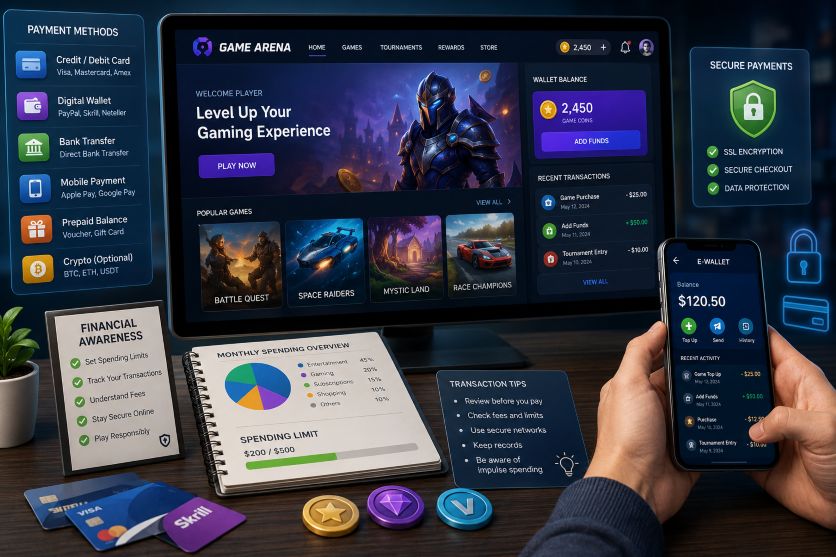
Understanding Digital Payment Behaviors in Online Gaming Environments

McKinsey & Company reports that digital payment adoption continues to expand as users increasingly move toward cashless transactions across online services and entertainment platforms. Gaming environments are part of this broader shift because they rely on fast payment systems, digital wallets, mobile banking, and virtual transactions that operate across different platforms and regions.

People entering online gaming spaces often encounter several payment methods at once. Some systems rely on direct card payments, while others use e-wallets, prepaid balances, or regional banking services. Users commonly review setup resources such as a Didihub registration link (link daftar Didihub) and other informational materials when learning how accounts, payment options, and transaction systems function across digital platforms.

leveling up your gaming experience

Step 1: Understand How Digital Payment Ecosystems Work

Digital payment ecosystems refer to the network of technologies and financial tools that allow users to transfer value electronically. Online gaming environments frequently combine multiple systems into one experience.

These may include:

  • Credit and debit card payments
  • Digital wallets
  • Bank transfers
  • Prepaid balances
  • Mobile payment systems
  • Virtual currencies used within platforms

The World Bank has highlighted the growing role of digital financial systems in supporting accessibility and broader consumer participation. As these payment methods become more integrated into everyday life, gaming platforms increasingly mirror payment behaviors found in retail shopping, subscriptions, and other digital services.

Users often move through several payment layers without noticing the underlying process. A purchase may start with a mobile wallet, pass through a payment processor, and then convert into digital credits or platform balances.

Step 2: Consider Transaction Factors Before Making Payments

Payment decisions inside gaming environments involve more than convenience. Small transaction details can influence spending habits over time.

Review processing times

Some payment systems process instantly while others may require additional verification. Delays can occur because of banking systems, location differences, or security checks.

Check fees and conversion costs

Consumer Financial Protection Bureau (CFPB) notes that transaction fees and currency conversion charges may affect the total cost of digital payments. Small charges can become difficult to notice when transactions happen frequently.

Users sometimes focus only on the displayed amount while overlooking additional costs attached to the payment process.

Understand stored payment information

Many online environments save payment details for convenience. While this can simplify future transactions, users should understand how stored information works and review privacy settings where possible.

Step 3: Recognize Behavioral Patterns Around Digital Spending

Digital environments can influence how people perceive money. Physical cash creates visible spending actions, while digital payments often feel less tangible.

Research published by the Journal of Behavioral and Experimental Economics has discussed how payment methods may shape spending perception and consumer behavior. Digital transactions can sometimes reduce the psychological effect associated with physically handing over money.

In gaming environments, this effect may become stronger when payments transform into virtual points, tokens, or digital balances. People may focus more on activity participation than on the underlying cost itself.

A related payment gateway process can reinforce this behavior because users may complete transactions through stored payment systems with very few steps involved.

This does not automatically create harmful outcomes. However, understanding how spending behavior changes in digital environments can help individuals make informed choices.

Step 4: Identify Potential Risks and Warning Signs

Risk awareness remains an important part of digital financial behavior. Several common concerns appear across online gaming environments.

Unclear transaction records

Frequent small payments can become difficult to track. Users may underestimate total spending if they do not regularly review statements.

Security concerns

The Federal Trade Commission (FTC) regularly advises consumers to use strong passwords, enable security verification features, and remain cautious around suspicious payment requests.

Fraud attempts may involve fake payment pages, phishing messages, or unofficial transaction requests designed to collect personal information.

Emotional spending behavior

People sometimes make purchases during periods of excitement, frustration, or impulse decision-making. Fast transaction systems can reduce the pause between intention and action.

Awareness does not eliminate these behaviors entirely, but recognizing them can encourage more thoughtful financial choices.

Step 5: Build Financial Literacy Through Digital Payment Awareness

Financial literacy involves understanding how money moves and how decisions affect longer-term outcomes. Online gaming environments can become useful examples because they demonstrate many payment principles that exist across broader digital economies.

Useful habits include:

  • Reviewing transaction histories regularly
  • Setting personal spending limits
  • Understanding payment terms
  • Monitoring recurring charges
  • Learning how digital security tools work

OECD research on financial literacy suggests that informed consumers generally make more effective financial decisions because they understand the consequences of their spending patterns and financial choices.

These habits apply beyond gaming environments. The same awareness can support better decision-making across subscriptions, online shopping platforms, mobile applications, and digital entertainment services.

Responsible Gambling and Digital Spending Awareness

Some gaming environments may include gambling-related activities or payment systems connected to wagering functions. Gambling carries financial risk and should be approached responsibly. Spending should remain within personal limits and never interfere with essential financial responsibilities.

People experiencing concerns around gambling-related behavior should consider seeking support from professional organizations or local responsible gambling resources.

READ ALSO: Responsible Gambling and Financial Management on Indonesian Lottery Sites

Conclusion

Digital payment systems continue changing how people interact with online platforms. Gaming environments provide a useful lens for understanding these changes because they combine convenience, speed, and multiple forms of digital transactions in one place.

As online systems evolve, understanding digital payment behavior becomes less about technology alone and more about financial awareness. A broader understanding of online transaction systems and related payment platform processes can help users recognize patterns, evaluate risks, and make more informed decisions across digital spaces.

Financial Literacy And Its Relation To Gambling

Financial literacy is the ability to understand, manage, and make sound decisions about the money. It is a key component of developing good habits for living within one’s means and creating a sustainable future. The importance of financial literacy can be seen in the recent growth of gambling around the globe.

What is financial literacy and how does it relate to gambling?

The term “financial literacy” is used to describe the ability to understand, manage, and use personal finances in a responsible way.

Gambling has been around for centuries but it has recently become more prevalent in the 21st century. People who gamble may not have proper financial literacy skills. This could lead to financial problems later on in life.

It’s not easy to teach people how to manage their finances. There are many resources out there that teach people the basics of personal finance, but when it comes to teaching people how to manage their money and how to make smart financial choices, these resources fall short.

boonused

How does financial literacy relate to Gambling?

Gambling addiction is a serious problem that affects millions of people every year. The industry has been trying to combat this issue by providing financial literacy education in their advertisements and campaigns.

Financial literacy includes knowing how to manage your money, saving for retirement, and avoiding debt traps. This is why it’s important to know what you’re doing with your money and what risks you may be taking when playing free rolls (freerollid)in online gambling.

Financial literacy resources can help people avoid the lure of gambling

People often find themselves in a situation where they are tempted to gamble. This can happen when you are feeling anxious, bored, or just want to have a little fun. But gambling is not always harmless. It can lead to financial problems and even addiction.

To help people avoid the lure of gambling, there are plenty of resources available online that provide information about the best ways to save money and manage your finances. Some of these resources include credit counseling, financial education, and debt management services.

There are many people who are not aware of how to gamble responsibly. In order to avoid this, it is important that people learn about financial literacy and how they can use gambling as a tool to make money.