
According to UK Gambling Commission reports, financial transparency is one of the most critical factors influencing player trust in online gambling. Payment methods, withdrawal delays, and disclosure of financial safeguards are not just technical details, they shape the entire user experience and determine whether players feel secure when engaging with offshore platforms.
Why Payment Transparency Matters in Online Gambling
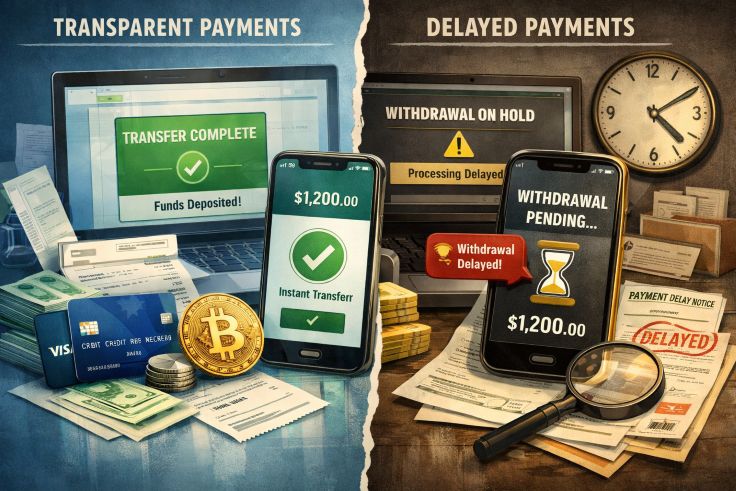
Transparency in financial transactions ensures that players understand how their deposits and withdrawals are processed. When casinos provide clear timelines and fee structures, users can make informed decisions about their participation. Conversely, vague or inconsistent policies often lead to frustration and distrust. Offshore platforms, particularly casinos non UK, are frequently scrutinized for their handling of payments, as regulatory oversight varies widely across jurisdictions.
Common Complaints and Praise Patterns Found in User Review Platforms
User reviews reveal recurring themes. Complaints often center on delayed withdrawals, hidden fees, or unclear verification processes. Praise, on the other hand, is typically directed at platforms that offer fast payouts, multiple payment options, and responsive customer support. According to Trustpilot data, players consistently highlight the importance of speed and clarity in financial transactions. These patterns underscore the role of transparency in shaping reputations across the gambling industry.
Beyond individual experiences, aggregated reviews show that withdrawal delays are the most common frustration among offshore casino users. Some players report waiting weeks for funds to arrive, while others highlight sudden requests for additional identity verification. Positive reviews, however, often emphasize platforms that provide same-day payouts or clear communication about processing times. This contrast illustrates how transparency can either build or erode trust depending on execution.
Comparing Financial Safeguards Between UK-Regulated Sites and Offshore Platforms
UK-regulated casinos are bound by strict financial safeguards, including mandatory segregation of player funds and regular audits. These measures protect users from insolvency risks and ensure accountability. Offshore platforms, however, operate under diverse regulatory frameworks. Some jurisdictions enforce strong protections, while others provide minimal oversight. This disparity creates a landscape where players must carefully evaluate the reliability of offshore operators. Terms like “international gambling sites” often signal environments where safeguards may differ significantly from UK standards.
For example, UK operators must comply with anti-money laundering regulations and provide clear reporting to regulators. Offshore casinos may not face the same obligations, which can create vulnerabilities for players. According to European Gaming and Betting Association reports, the lack of standardized oversight in offshore markets increases the risk of financial disputes. This comparison highlights the importance of understanding the regulatory environment before engaging with any gambling platform.
Crypto Payments, E-Wallets, and Banking Limitations
The rise of cryptocurrency and e-wallets has introduced new layers of complexity. Crypto payments offer anonymity and speed, but they also raise concerns about volatility and limited recourse in disputes. E-wallets, such as PayPal or Skrill, provide convenience but may impose restrictions depending on local banking laws. Traditional bank transfers remain widely used, yet they are often associated with longer processing times. According to Financial Conduct Authority reports, players increasingly demand flexible payment options, but flexibility must be balanced with accountability.
In practice, crypto transactions can be processed within minutes, but their value may fluctuate significantly during that time. E-wallets often provide faster withdrawals than banks, yet they may require additional verification steps. Bank transfers, while secure, can take several business days to complete. Each method carries trade-offs, and players must weigh convenience against reliability. Offshore casinos often promote flexibility, but the absence of clear dispute resolution mechanisms can leave players exposed.
Arguments for Financial Flexibility Versus Concerns About Accountability
Supporters of offshore platforms argue that financial flexibility—through diverse payment methods and fewer restrictions—empowers players. They highlight the ability to use crypto, e-wallets, and alternative banking systems as evidence of innovation. Critics, however, emphasize accountability. Without clear regulations, flexible systems can mask risks such as hidden fees, delayed withdrawals, or lack of dispute resolution. This dialectical tension between freedom and oversight defines much of the debate around offshore gambling finance.
Flexibility may appeal to players seeking faster transactions or anonymity, but accountability ensures that funds are protected. According to OECD Financial Transparency Initiative, systems without oversight often lead to increased disputes and reduced consumer confidence. The balance between flexibility and accountability remains one of the most pressing challenges in offshore gambling finance.
Key Financial Warning Signs Players Often Overlook
Players sometimes ignore red flags that signal potential financial issues. These include vague withdrawal policies, inconsistent communication from customer support, and lack of published audit results. Another warning sign is the absence of clear information about fund segregation. According to Gambling Research Exchange Ontario, overlooking these details increases the likelihood of disputes and financial loss. Offshore operators may present attractive payment options, but players must remain vigilant in assessing transparency.
Other overlooked signs include sudden changes in terms and conditions, unexplained transaction fees, and platforms that avoid publishing regulatory affiliations. These indicators often suggest weak financial safeguards. By recognizing these warning signs, players can better protect themselves from potential risks. International gambling platforms may offer appealing flexibility, but without transparency, the risks can outweigh the benefits.
READ ALSO: Evaluating Risk Perception Through Reviews on Trustpilot in Online Gambling
Conclusion
Payment methods, withdrawal delays, and financial transparency remain central to the trustworthiness of online gambling platforms. UK-regulated casinos provide strong safeguards, while offshore operators vary widely in their practices. International gambling platforms may offer flexibility, but accountability is often less certain. Players should approach offshore sites with caution, carefully reviewing financial policies and recognizing warning signs. Gambling carries inherent risks, and financial clarity is essential to minimizing those risks. Responsible participation requires awareness, skepticism, and a commitment to informed decision-making.
Gambling involves financial and personal risk. Always consider regulatory safeguards and seek professional advice before engaging with offshore platforms.