Evaluating Payment Flexibility in International Online Gaming Platforms

international payment comparison

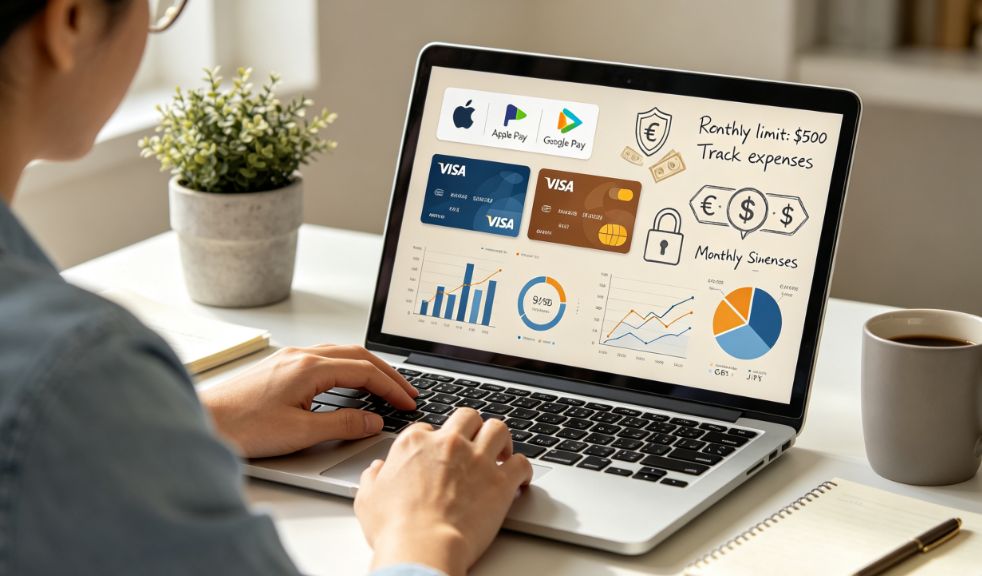
Digital payments now account for a growing share of global commerce, making fast and secure transactions an important part of how people evaluate online services. Whether users subscribe to streaming platforms, shop across borders, or access international gaming websites, payment flexibility often shapes confidence before any service is used. Clear transaction processes, familiar banking options, and transparent fees help reduce uncertainty, especially when money moves between different countries and currencies.

Research from Worldpay and Statista shows that consumers increasingly expect businesses to support multiple payment methods and local preferences. Those expectations extend to international gaming platforms, where comparison resources discussing Australian online casinos UK often explain how payment options, currency support, and banking accessibility differ between operators. For users exploring cross-border digital services, understanding these financial factors is as important as reviewing licensing, privacy policies, and customer support.

Why Payment Flexibility Matters

Financial convenience influences trust across every type of online service. Users are generally more comfortable completing transactions when they recognize familiar payment providers and understand how deposits and withdrawals are processed. Confusing payment systems or unexpected fees can reduce confidence, even if the platform itself is legitimate.

OECD has highlighted that transparent digital financial services contribute to greater consumer confidence in online markets. This principle applies broadly across international commerce. Platforms that clearly explain processing times, supported currencies, identity verification requirements, and applicable fees allow users to make more informed financial decisions.

Payment flexibility also supports accessibility. Someone living in one country may prefer bank transfers, while another user relies primarily on digital wallets or debit cards. Supporting multiple payment methods makes services more practical for international audiences without changing the underlying financial safeguards.

Comparing Common Banking Methods

International gaming platforms typically support several payment options, each with different advantages and practical considerations.

  • Debit and credit cards: Widely accepted and familiar, although some banks may apply international transaction fees or impose restrictions on certain transactions.
  • Digital wallets: Services such as PayPal, Skrill, and Neteller can simplify payments while reducing the need to repeatedly enter banking details.
  • Bank transfers: Often considered reliable for larger transactions but may require longer processing times depending on the financial institutions involved.
  • Open banking solutions: Available in some regions, these systems allow secure account-to-account transfers with user authorization.
  • Alternative regional payment methods: Many international platforms support country-specific payment services to accommodate local consumer preferences.

Each method involves trade-offs involving convenience, transaction speed, privacy, availability, and potential fees. No single option is universally better, making flexibility an important feature for users from different financial systems.

Understanding Transaction Speed

Processing speed is another important consideration. Deposits are often completed quickly, while withdrawals may require additional verification procedures. These reviews protect both consumers and service providers from fraud, identity theft, and unauthorized account activity.

The Financial Action Task Force (FATF) encourages financial institutions and regulated businesses to apply customer verification and anti-money laundering controls. While these procedures may extend processing times, they support broader financial security across digital payment networks.

Users benefit from reviewing estimated processing windows before initiating transactions. Some payment methods complete withdrawals within hours, while others may require several business days depending on banking systems and regulatory requirements. Understanding payment methods, withdrawal delays, and financial transparency can provide additional context when comparing how international gaming platforms communicate their financial processes and manage user expectations.

Currency Conversion and Hidden Costs

Cross-border transactions frequently involve currency conversion. Exchange rates are determined by financial institutions or payment providers, and additional conversion fees may apply. These costs are sometimes overlooked when comparing international digital services.

Many platforms allow users to select their preferred account currency, while others process all transactions using a single currency. Understanding how conversions are calculated can help users estimate the actual cost of deposits and withdrawals.

The World Bank has repeatedly emphasized that transparency in payment pricing supports better financial decision-making across international markets. Clear information about exchange rates and processing fees helps consumers compare services more accurately.

Budgeting for Responsible Spending

Payment flexibility should always be considered alongside personal budgeting. Easier access to digital payments can improve convenience, but it also makes financial discipline more important.

Many international gaming services provide optional spending controls, including deposit limits, transaction histories, account reminders, and temporary account restrictions. These tools support users who want greater visibility over their spending activity.

People comparing overseas gaming websites often evaluate banking features alongside licensing information and responsible gambling resources. Similar considerations appear when reviewing Australian-facing platforms that accommodate international customers, where payment transparency forms part of the overall user experience rather than serving as the primary deciding factor.

Security Features Worth Comparing

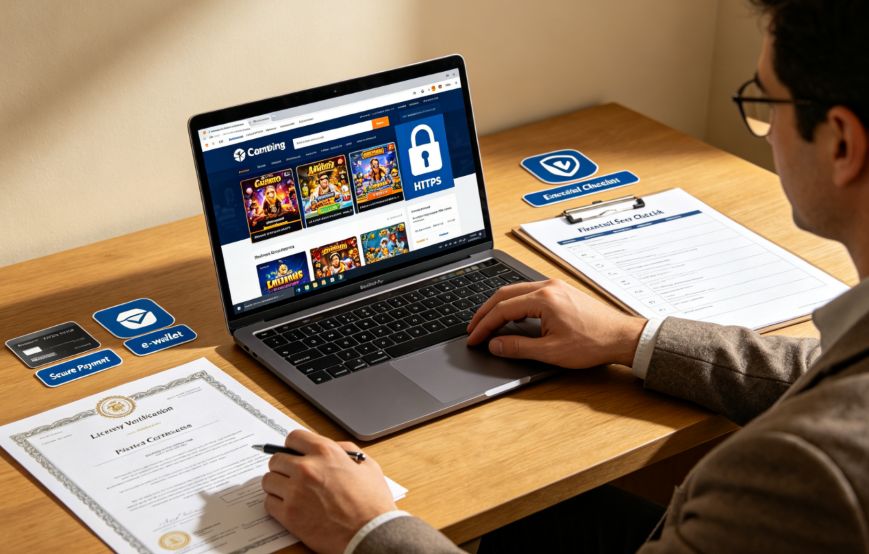
Payment flexibility should never come at the expense of financial security. Users should look for platforms that explain how sensitive financial information is protected throughout the payment process.

  • SSL encryption for secure data transmission.
  • Two-factor authentication for account access.
  • Independent licensing and regulatory oversight.
  • Clear privacy and payment policies.
  • Verified customer support channels.

The National Institute of Standards and Technology (NIST) continues to recommend layered security controls such as strong authentication and encryption to reduce digital security risks across online services. These practices help protect both payment information and personal data.

Balancing Convenience with Financial Responsibility

International online gaming platforms continue expanding payment options as digital commerce becomes increasingly global. Faster transfers, broader banking support, improved currency management, and stronger security standards all contribute to a smoother financial experience for international users. Comparing these features carefully helps consumers understand how different services manage accessibility without overlooking transparency or regulatory compliance.

Responsible gambling remains essential regardless of how convenient payment systems become. Users should establish personal spending limits, monitor their transaction history, and avoid spending beyond what they can comfortably afford to lose. If gambling begins affecting finances or personal wellbeing, professional support should be sought through appropriate responsible gambling organizations.

Ultimately, evaluating payment flexibility involves more than comparing transaction speed alone. Banking methods, conversion costs, verification procedures, security protections, and budgeting tools all contribute to informed decision-making. As international gaming services continue evolving, users reviewing overseas gaming platforms can make better financial choices by prioritizing transparency, security, and responsible money management above convenience alone.

How Lottery Culture Influences Personal Financial Decisions Across Southeast Asia

The World Bank has consistently highlighted the importance of financial literacy in helping households make informed spending decisions, particularly in regions where informal financial practices and entertainment-based expenditures remain common. Across Southeast Asia, lottery participation has long been woven into local culture, shaping conversations about luck, dreams, and personal finance. While many people view lottery-related activities as a form of entertainment, their influence on everyday financial behavior extends beyond the purchase of a ticket or number selection.

Across Indonesia, Thailand, Malaysia, Singapore, and the Philippines, lottery traditions often intersect with cultural beliefs, family customs, and dream interpretation practices. Discussions about dream-inspired numbers remain common in many communities, and online platforms such as impiantoto reflect the continuing public interest in these traditions. While such activities are generally viewed as entertainment, they can also influence how some individuals think about discretionary spending, financial priorities, and perceptions of chance.

impiantoto

The Cultural Roots of Lottery Participation

Lottery games have existed in various forms across Southeast Asia for decades. In many communities, conversations about numbers emerge from personal experiences, significant dates, dreams, local events, and cultural traditions. Some individuals associate certain numbers with symbolic meanings, while others rely on family customs passed down through generations.

Dream interpretation remains particularly influential in parts of Indonesia and neighboring countries. Numbers derived from dreams, personal milestones, or cultural symbols are often discussed socially among friends and family members. Although these practices are largely recreational, they demonstrate how deeply lottery culture can become integrated into daily life.

The popularity of these traditions reflects broader social and cultural dynamics rather than purely financial motivations. For many participants, the activity provides entertainment, social engagement, and a sense of participation in a shared cultural experience.

How Lottery Spending Affects Household Budgets

A common challenge emerges when entertainment spending begins competing with other financial priorities. Most individuals allocate portions of their income toward leisure activities, whether that involves streaming services, dining out, sporting events, or lottery participation. The issue arises when spending habits occur without clear budgeting boundaries.

OECD research on financial literacy has repeatedly shown that households with stronger budgeting skills tend to make more deliberate spending choices. This principle applies regardless of the type of entertainment involved. Lottery participation becomes part of a broader financial management discussion rather than an isolated activity.

For some individuals, lottery-related spending represents a small and manageable expense. Others may find that repeated participation gradually consumes a larger portion of discretionary income than initially intended. Without tracking expenditures, even modest purchases can accumulate over time.

This highlights the importance of viewing lottery participation within the context of an overall household budget rather than treating it as a separate category that escapes financial planning.

The Psychological Influence of Dream-Based Number Selection

Human decision-making is often influenced by emotions, memories, and personal experiences. Dream-based number selection illustrates this phenomenon clearly. People naturally seek patterns and meaning in events, including dreams, coincidences, and symbolic experiences.

American Psychological Association publications have documented how cognitive biases influence decision-making across many areas of life, including financial choices. Individuals may assign significance to certain events even when objective evidence does not establish a meaningful connection.

Lottery culture often reflects these psychological tendencies. A dream, memorable date, or personal event may become associated with a particular number. The number itself gains emotional significance, creating a sense of personal attachment.

This does not necessarily lead to harmful behavior. However, understanding the psychological factors involved can help individuals maintain realistic expectations and make more balanced financial decisions.

The Role of Prediction Guides and Information Sources

The growth of digital media has expanded access to lottery-related content throughout Southeast Asia. Websites, social media communities, forums, and prediction-related guides provide information that many people consume as part of their entertainment experience.

These resources often focus on number discussions, cultural interpretations, historical patterns, and community engagement. Similar to sports analysis or entertainment commentary, such content can become part of a broader hobby or interest.

Challenges emerge when informational content is misunderstood as a substitute for financial planning. Financial experts generally encourage consumers to distinguish between entertainment content and practical money management strategies.

Maintaining that distinction helps individuals enjoy lottery-related discussions without allowing them to influence critical financial decisions such as savings goals, debt management, emergency funds, or long-term investments.

Financial Literacy as a Balancing Tool

The bridge between lottery culture and responsible financial behavior is financial literacy. Rather than discouraging recreational participation altogether, many financial education programs focus on helping individuals understand budgeting, risk awareness, and spending priorities. Discussions surrounding important financial decisions after a lottery payout often emphasize the same principles: careful planning, realistic expectations, and long-term financial stability. These concepts remain relevant regardless of whether someone participates in lottery-related activities or simply wants to strengthen everyday money management habits.

The World Bank and OECD have both emphasized that financial literacy improves decision-making by helping consumers evaluate choices within the context of their overall financial situation.

Several practical habits support balanced participation:

  • Creating a monthly entertainment budget.
  • Tracking discretionary spending consistently.
  • Maintaining emergency savings before allocating funds to leisure activities.
  • Avoiding the use of borrowed money for gambling-related activities.
  • Reviewing spending patterns regularly.

These practices apply equally to lottery participation, digital entertainment subscriptions, gaming purchases, and other recreational expenses.

Social Influence and Community Participation

Lottery culture often operates within social networks. Family members, friends, coworkers, and online communities may discuss numbers, dreams, and predictions together. This social aspect can strengthen participation by making the activity feel communal rather than individual.

Research from McKinsey & Company examining consumer behavior has shown that social influence frequently affects spending decisions across numerous industries. Recommendations, discussions, and shared experiences often shape purchasing choices more than formal advertising.

In Southeast Asia, where community relationships frequently play a central role in daily life, lottery-related discussions can become part of social interaction. Understanding this influence allows individuals to separate social participation from personal financial decision-making when necessary.

Building Healthier Financial Habits

The solution to concerns surrounding lottery-related spending is not necessarily avoidance. Instead, it involves maintaining awareness, setting boundaries, and prioritizing long-term financial stability.

Consumers who understand their budgets are generally better positioned to enjoy recreational activities without compromising financial goals. This balanced approach allows entertainment spending to remain enjoyable while preserving resources for savings, education, healthcare, housing, and other essential needs.

Responsible engagement becomes particularly important when interacting with lottery-related content, dream interpretation resources, and prediction discussions. These activities can remain part of cultural and recreational life without becoming a substitute for structured financial planning.

Responsible Gambling Warning: Gambling-related activities involve financial risk and should be approached responsibly. Individuals should only participate within their means and should never use funds intended for essential living expenses, debt repayment, or emergency savings. Anyone experiencing difficulty controlling gambling-related behavior should seek professional support from appropriate local assistance services.

Conclusion

Lottery culture remains an influential part of social and recreational life across Southeast Asia. Traditions involving dreams, symbolic numbers, community discussions, and various lottery prediction resources continue to shape how many people think about chance and entertainment spending. While lottery prediction guides and related informational content may remain culturally significant, financial literacy provides an important framework for maintaining balance.

By combining cultural participation with practical money management skills, individuals can make informed financial decisions while keeping gambling-related entertainment within reasonable limits. This approach supports both personal financial well-being and a healthier relationship with recreational activities over the long term.

Managing Financial Risk in Online Sports Betting: Tools That Matter

One in four sports bettors has missed paying a bill due to losses from wagers, a 2025 survey reveals.

Winning isn’t just about predicting results. It’s about controlling losses. In the exciting realm of online sports betting, players face real financial dangers. These include debt buildup, credit score drops, and even bankruptcy risks. Yet savvy bettors use tools and knowledge to stay in control. Education plays a big role here. It helps turn betting from a risky habit into a managed activity.

For beginners and seasoned players alike, platforms offer guides to build smart habits. Take the Esport Bet app, which stands out by teaching users about betting limits, odds formats, and promotional terms. This approach empowers bettors to make informed choices. It reduces the chance of unnecessary losses. Instead of jumping in blindly, users learn to assess risks upfront.

Grasping the Financial Risks

A balanced scale with money on one side and betting chips on the other, symbolizing risk management

Online sports betting carries hidden pitfalls that can harm finances. Losses often add up faster than wins, especially with easy access via apps. Studies show young men are hit hardest, with links to lower credit scores and rising bankruptcies. Chasing losses is a common trap. Bettors try to recover money by placing bigger wagers, which spirals into debt. Addiction creeps in too, turning fun into compulsion.

Another issue involves proposition bets and potential collusion, where outcomes get manipulated for gain. This erodes trust and amplifies losses for honest players. Fraud risks, like money laundering through betting systems, add layers of danger. Lower-income households suffer most, as they rack up credit card debt or overdraft fees. Recognizing these threats is the first step toward protection.

Key Tools for Risk Management

Bettors have several strategies to safeguard their money. Bankroll management tops the list. Set a fixed budget for betting, separate from essential expenses like rent or bills. Experts suggest risking only 1% to 5% of your total bankroll per bet. This way, a string of losses won’t wipe you out. Track every wager in a simple log. Review it regularly to spot patterns and adjust.

Technology aids this process. Many platforms use data analytics to monitor betting habits. They flag unusual patterns, like sudden large bets, to prevent impulse decisions. AI-driven systems help operators manage risks, but bettors can adopt similar habits. Use apps that set deposit limits or time restrictions. These features block excess spending. Self-assessment quizzes from sites like BeGambleAware help gauge if betting is becoming a problem.

Esport Bet emphasizes these practices in its guides. It advises starting with small stakes on familiar games. Avoid emotional bets, such as wagering on your favorite team without research. By focusing on data like team form and historical stats, bettors make calculated moves. This shifts the odds in their favor over time.

Understanding Odds and Formats

Odds tell the story of potential wins and risks. They reflect probabilities and payouts. In Brazil and many regions, decimal formats are popular. For example, odds of 1.75 mean a $100 bet returns $175 total if you win. Lower odds signal favorites, while higher ones point to underdogs. Misreading them leads to poor choices and bigger losses.

Education on formats prevents confusion. Guides explain how to convert between decimal, fractional, and American styles. This knowledge helps compare offers across sites. Bettors learn to calculate implied probabilities too. If odds suggest a 60% win chance but your analysis says 70%, that’s a value bet. Tools like these build financial literacy, essential for modern players.

Navigating Bonuses and Promotions

Promotions seem appealing at first glance. Boosted odds or cashback deals draw in users. However, without clear terms, they turn costly. Regulations in places like Brazil ban traditional welcome bonuses to curb addiction. Instead, sites offer alternatives like VIP programs or event-specific boosts. Always check rollover requirements. These dictate how many times you must wager bonus funds before withdrawing.

Hidden fees or restrictions can erode gains. Read the fine print on expiration dates and eligible games. Bonuses work well when used wisely, adding value without extra risk. But ignore the terms, and you might chase unqualified wins, leading to losses. Informed bettors weigh these offers against their budget.

Embracing Responsible Gambling

Responsible gambling keeps finances safe long-term. It treats betting as entertainment, not income.

Watch for signs like borrowing money to bet or neglecting duties. Resources exist to help, including hotlines and support groups. Set personal rules, like weekly time limits, and stick to them.

Platforms promote this through features like reality checks, which remind you of time spent betting. Cooling-off periods let you pause accounts temporarily. These tools foster discipline. By prioritizing health over highs, bettors avoid the cycle of debt and regret. Read also Responsible Gambling and Wealth Management at Finance and Gambling.

In conclusion, managing financial risk in online sports betting demands awareness and action. Financial literacy equips you to handle odds, limits, and promotions effectively. Bonuses offer perks but require caution to avoid pitfalls. Above all, responsible habits protect your wallet and well-being. Turn to reliable sources like Esport Bet for guidance. With the right tools, betting stays enjoyable and controlled.

Managing Risks and Rewards on Vai de Bet BB

Online betting continues to grow in popularity across Brazil, attracting players with its mix of excitement and potential financial gain. Yet, the thrill of placing bets can quickly lead to losses if proper financial strategies are not in place. Responsible betting requires careful planning and an understanding of both risks and rewards.

VaideBetBB Brasil offers a wide range of betting options, from sports to casino games, making it easy for players to engage frequently. While this variety is appealing, it also increases the chance of overspending. Setting a clear bankroll, which is the amount of money dedicated solely for betting, is the first step toward financial control. A fixed bankroll helps players decide in advance how much they are willing to risk, preventing impulsive decisions that can lead to significant losses.

Bankroll Management

Managing Risks and Rewards on Vai de Bet BB

Effective bankroll management starts with dividing your funds into smaller units for each session or bet. For instance, if a player sets aside $200 for a week of betting, it is wise to allocate $20–$30 per session. This approach allows for longer gameplay while limiting exposure to heavy losses. Players should also adjust bet sizes based on outcomes; winning streaks may tempt bigger bets, but sticking to the plan avoids unnecessary risk.

Responsible Deposit Limits

Many online platforms, including VaideBetBB Brasil, allow users to set deposit limits. This tool is essential for maintaining financial discipline. Setting daily, weekly, or monthly limits helps control spending, ensuring that betting remains an enjoyable activity rather than a financial burden. Depositing only what you can afford to lose and avoiding borrowing money to gamble are fundamental practices for long-term stability.

Evaluating Promotions and Bonuses

Promotions and bonuses can enhance the betting experience, but they require careful evaluation. Many platforms offer free bets, deposit matches, or cash-back incentives. While these can increase potential gains, terms and conditions often include wagering requirements or restrictions that may offset the benefits. Understanding the fine print ensures that bonuses serve as an advantage rather than a trap that encourages overspending.

Monitoring Spending and Performance

Keeping a record of all bets placed and outcomes achieved is another practical strategy. Tracking spending patterns, wins, and losses allows bettors to identify areas of improvement and recognize risky behavior. Simple spreadsheets or dedicated apps can provide insight into long-term performance, helping players refine strategies and maintain control over their finances. Being aware of trends also helps avoid repeating mistakes and encourages smarter betting decisions.

Balancing Entertainment and Risk

Betting should remain a form of entertainment, not a source of stress or financial strain. Allocating only a portion of discretionary income, setting realistic goals, and taking regular breaks are all methods to enjoy gambling responsibly. VaideBetBB Brasil provides an engaging platform, but users must remember that no strategy guarantees consistent profits. The goal is to enhance enjoyment while keeping risks manageable.

READ ALSO: Responsible Gambling and Wealth Management at Finance and Gambling

Final Thoughts

Managing risks and rewards in online betting requires discipline, planning, and awareness. By employing bankroll management, setting deposit limits, evaluating promotions, and monitoring spending, players can protect their finances while enjoying the excitement of VaideBetBB Brasil. Smart financial habits ensure that betting remains fun and sustainable over time, turning potential hazards into controlled entertainment.

Responsible betting transforms the online gambling experience. Applying these strategies helps players enjoy the thrill of games and sports while safeguarding their money, making online betting a balanced and rewarding activity.

Managing Your Winnings: A Financial Guide to Playing on LibraBet

budgeting spreadsheet on a laptopGambling can be a thrilling escape, but without a plan, your winnings might slip through your fingers like sand. Responsible financial management is key to enjoying online betting platforms while keeping your wallet secure. This guide offers practical strategies for handling your gambling finances, with a focus on budgeting, understanding withdrawal policies, avoiding bonus traps, and navigating crypto transactions. Whether you’re a seasoned player or new to the game, these tips will help you stay in control and make the most of your experience.

Setting a budget is the cornerstone of responsible gambling. Before you dive into the excitement of platforms like LibraBet, decide how much you can afford to spend without affecting your essential expenses. Think of it as setting a boundary for fun, not a free-for-all. A good rule is to allocate only disposable income—money you can lose without stress. For example, if your monthly entertainment budget is $200, consider designating a portion, say $50, for gambling. This keeps your betting in check and protects your financial stability.

Creating a Smart Gambling Budget

Why does budgeting matter so much? Without clear limits, it’s easy to get carried away in the heat of the moment. Here’s how to build a budget that works:

  • Define Your Limit: Set a daily, weekly, or monthly cap based on your disposable income. Stick to it religiously.
  • Use Separate Accounts: Keep your gambling funds in a dedicated digital wallet or bank account to avoid dipping into savings.
  • Track Every Bet: Use a spreadsheet or budgeting app to monitor your spending. This helps you spot patterns and stay accountable.
  • Review Regularly: Check your budget weekly to ensure you’re not overspending. Adjust if needed, but never increase your limit impulsively.

“A budget isn’t a restriction; it’s your ticket to enjoying gambling without regret,” says financial planner Sarah Thompson. By setting clear boundaries, you can savor the thrill without risking financial strain.

Understanding Withdrawal Policies

Withdrawal policies can make or break your gambling experience. Each platform has its own rules, and knowing them upfront saves headaches. Some platforms process withdrawals instantly, while others may take days. Crypto transactions often speed things up, but fees or minimum withdrawal amounts can vary. Always read the fine print before depositing. For instance, check if there are limits on how much you can withdraw daily or if verification is required. This knowledge helps you plan when and how to access your winnings.

Avoiding Bonus Traps

Bonuses sound like free money, but they often come with strings attached. Many platforms offer enticing promotions, like deposit matches or free bets, but these can lock your funds until you meet wagering requirements. For example, a $100 bonus might require you to bet $1,000 before withdrawing. To avoid traps:

  • Read Terms Carefully: Look for wagering requirements, time limits, and eligible games.
  • Calculate the Cost: Ask yourself if the bonus is worth the effort. Sometimes, opting out is smarter.
  • Focus on Cashable Bonuses: Choose bonuses that let you withdraw winnings without excessive conditions.

By being selective, you can enjoy bonuses that genuinely enhance your play without tying up your funds.

READ ALSO: Understanding Payment Methods in Online Betting

Navigating Crypto Transactions

Crypto transactions add a unique layer to gambling finances. Cryptocurrencies like Bitcoin or Ethereum offer fast deposits and withdrawals, plus a degree of privacy. However, their volatility can affect your budget. Imagine depositing $100 in Bitcoin, only to see its value drop 10% overnight. To manage this:

  • Use Stablecoins: Opt for stablecoins like USDT to avoid price swings.
  • Monitor Market Trends: Keep an eye on crypto prices to time your deposits and withdrawals.
  • Secure Your Wallet: Use reputable wallets with two-factor authentication to protect your funds.

Crypto can be a game-changer, but it demands extra vigilance. As one player put it, “I love the speed of crypto, but I learned to treat it like cash—carefully.”

Planning for Long-Term Success

Your winnings are only as good as your plan to keep them. Instead of splurging, consider reinvesting a portion into your gambling budget and saving the rest. Set financial goals, like building an emergency fund or paying off debt. If you’re using LibraBet, regularly review your account activity to ensure you’re on track. Responsible gambling isn’t just about playing smart—it’s about securing your financial future.

Final Thoughts

Gambling should be fun, not a financial burden. By budgeting wisely, understanding withdrawal policies, avoiding bonus traps, and managing crypto transactions, you can enjoy platforms like LibraBet with confidence. These strategies aren’t just about protecting your money; they’re about enhancing your enjoyment. So, set your limits, stay informed, and let the games begin—responsibly.

Gambling: Entertainment or addiction?

For most people, betting on football matches or buying a lottery ticket is a harmless way to spend free time. Unfortunately, for some, gambling can become a real obsession and can lead to addiction. This type of addiction is growing around the world.

These are some of the symptoms of gambling addiction

  • Concern with gambling and obsession with the next win;
  • Failed attempts to stop the game;
  • Betting bigger and bigger amounts of money and taking bigger and bigger risks, in order to win;
  • Conflict – bets begin to conflict with personal and professional relationships;
  • The chase after regaining the losses suffered: some bettors claim that they are only trying to regain the lost money and that they will stop after that;
  • Symptoms of “withdrawal” – changing moods, anxiety, irritability when the person is unable to play.

In the UK, there are between 360,000 and 451,000 people with gambling problems, and this number is growing. Today, betting – especially online betting or online gambling like agen bola – is the type of addiction that has the highest growth rate in the world.

As gambling addiction evolves, the affected person’s life revolves around the next game, the next win, in a downward spiral that leads to depression, despair, and feelings of shame and fear.

How do you know you have an addiction to games?

The following test will help you check if you have a gambling problem.

  • Do you bet more than you can afford?
  • Did you promise to stop or control your game but realized you couldn’t?
  • Do you have remorse after playing?
  • Have you borrowed money and are having difficulty repaying it?
  • Do you have unexplained absences from home or work?
  • Do you play more than you planned?
  • Do you play to the last penny?
  • Are you betting to get rid of worries or troubles?
  • Do you feel radical mood swings and feel depressed, nervous or anxious?
  • Do you receive complaints about playing from close people?
  • After losing money, are you looking to recover your losses immediately through the game?
  • Do you bet to earn money to pay off your debts?

If your answer is YES to 4 or more of the previous questions, then you may have a problem with gambling.

Responsible gambling should be the goal of any gambler. This way, it will just be a form of entertainment and will not result to addiction.