
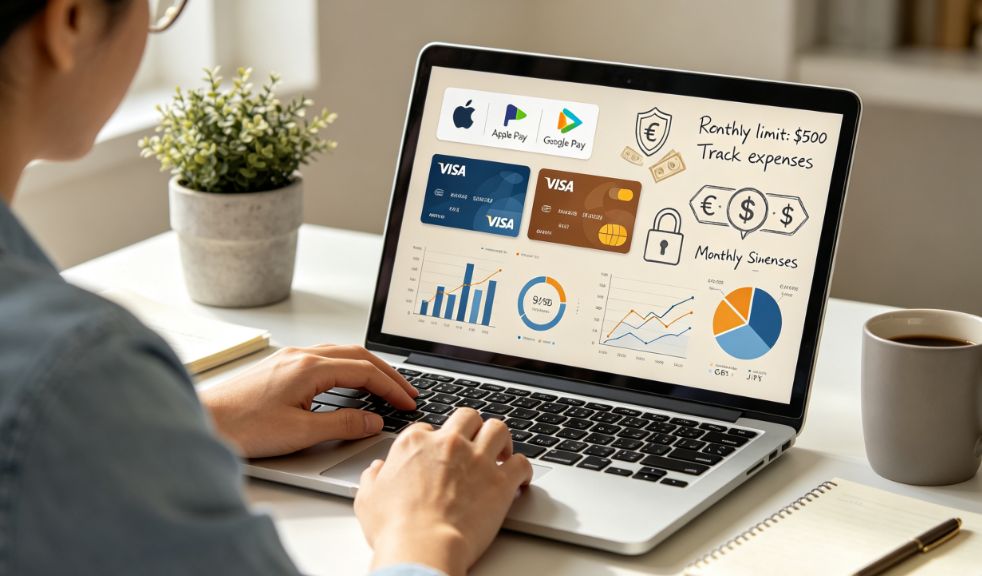
Digital payments now account for a growing share of global commerce, making fast and secure transactions an important part of how people evaluate online services. Whether users subscribe to streaming platforms, shop across borders, or access international gaming websites, payment flexibility often shapes confidence before any service is used. Clear transaction processes, familiar banking options, and transparent fees help reduce uncertainty, especially when money moves between different countries and currencies.
Research from Worldpay and Statista shows that consumers increasingly expect businesses to support multiple payment methods and local preferences. Those expectations extend to international gaming platforms, where comparison resources discussing Australian online casinos UK often explain how payment options, currency support, and banking accessibility differ between operators. For users exploring cross-border digital services, understanding these financial factors is as important as reviewing licensing, privacy policies, and customer support.
Why Payment Flexibility Matters
Financial convenience influences trust across every type of online service. Users are generally more comfortable completing transactions when they recognize familiar payment providers and understand how deposits and withdrawals are processed. Confusing payment systems or unexpected fees can reduce confidence, even if the platform itself is legitimate.
OECD has highlighted that transparent digital financial services contribute to greater consumer confidence in online markets. This principle applies broadly across international commerce. Platforms that clearly explain processing times, supported currencies, identity verification requirements, and applicable fees allow users to make more informed financial decisions.
Payment flexibility also supports accessibility. Someone living in one country may prefer bank transfers, while another user relies primarily on digital wallets or debit cards. Supporting multiple payment methods makes services more practical for international audiences without changing the underlying financial safeguards.
Comparing Common Banking Methods
International gaming platforms typically support several payment options, each with different advantages and practical considerations.
- Debit and credit cards: Widely accepted and familiar, although some banks may apply international transaction fees or impose restrictions on certain transactions.
- Digital wallets: Services such as PayPal, Skrill, and Neteller can simplify payments while reducing the need to repeatedly enter banking details.
- Bank transfers: Often considered reliable for larger transactions but may require longer processing times depending on the financial institutions involved.
- Open banking solutions: Available in some regions, these systems allow secure account-to-account transfers with user authorization.
- Alternative regional payment methods: Many international platforms support country-specific payment services to accommodate local consumer preferences.
Each method involves trade-offs involving convenience, transaction speed, privacy, availability, and potential fees. No single option is universally better, making flexibility an important feature for users from different financial systems.
Understanding Transaction Speed
Processing speed is another important consideration. Deposits are often completed quickly, while withdrawals may require additional verification procedures. These reviews protect both consumers and service providers from fraud, identity theft, and unauthorized account activity.
The Financial Action Task Force (FATF) encourages financial institutions and regulated businesses to apply customer verification and anti-money laundering controls. While these procedures may extend processing times, they support broader financial security across digital payment networks.
Users benefit from reviewing estimated processing windows before initiating transactions. Some payment methods complete withdrawals within hours, while others may require several business days depending on banking systems and regulatory requirements. Understanding payment methods, withdrawal delays, and financial transparency can provide additional context when comparing how international gaming platforms communicate their financial processes and manage user expectations.
Currency Conversion and Hidden Costs
Cross-border transactions frequently involve currency conversion. Exchange rates are determined by financial institutions or payment providers, and additional conversion fees may apply. These costs are sometimes overlooked when comparing international digital services.
Many platforms allow users to select their preferred account currency, while others process all transactions using a single currency. Understanding how conversions are calculated can help users estimate the actual cost of deposits and withdrawals.
The World Bank has repeatedly emphasized that transparency in payment pricing supports better financial decision-making across international markets. Clear information about exchange rates and processing fees helps consumers compare services more accurately.
Budgeting for Responsible Spending
Payment flexibility should always be considered alongside personal budgeting. Easier access to digital payments can improve convenience, but it also makes financial discipline more important.
Many international gaming services provide optional spending controls, including deposit limits, transaction histories, account reminders, and temporary account restrictions. These tools support users who want greater visibility over their spending activity.
People comparing overseas gaming websites often evaluate banking features alongside licensing information and responsible gambling resources. Similar considerations appear when reviewing Australian-facing platforms that accommodate international customers, where payment transparency forms part of the overall user experience rather than serving as the primary deciding factor.
Security Features Worth Comparing
Payment flexibility should never come at the expense of financial security. Users should look for platforms that explain how sensitive financial information is protected throughout the payment process.
- SSL encryption for secure data transmission.
- Two-factor authentication for account access.
- Independent licensing and regulatory oversight.
- Clear privacy and payment policies.
- Verified customer support channels.
The National Institute of Standards and Technology (NIST) continues to recommend layered security controls such as strong authentication and encryption to reduce digital security risks across online services. These practices help protect both payment information and personal data.
Balancing Convenience with Financial Responsibility
International online gaming platforms continue expanding payment options as digital commerce becomes increasingly global. Faster transfers, broader banking support, improved currency management, and stronger security standards all contribute to a smoother financial experience for international users. Comparing these features carefully helps consumers understand how different services manage accessibility without overlooking transparency or regulatory compliance.
Responsible gambling remains essential regardless of how convenient payment systems become. Users should establish personal spending limits, monitor their transaction history, and avoid spending beyond what they can comfortably afford to lose. If gambling begins affecting finances or personal wellbeing, professional support should be sought through appropriate responsible gambling organizations.
Ultimately, evaluating payment flexibility involves more than comparing transaction speed alone. Banking methods, conversion costs, verification procedures, security protections, and budgeting tools all contribute to informed decision-making. As international gaming services continue evolving, users reviewing overseas gaming platforms can make better financial choices by prioritizing transparency, security, and responsible money management above convenience alone.