
McKinsey & Company reports that digital payment adoption continues to expand as users increasingly move toward cashless transactions across online services and entertainment platforms. Gaming environments are part of this broader shift because they rely on fast payment systems, digital wallets, mobile banking, and virtual transactions that operate across different platforms and regions.
People entering online gaming spaces often encounter several payment methods at once. Some systems rely on direct card payments, while others use e-wallets, prepaid balances, or regional banking services. Users commonly review setup resources such as a Didihub registration link (link daftar Didihub) and other informational materials when learning how accounts, payment options, and transaction systems function across digital platforms.
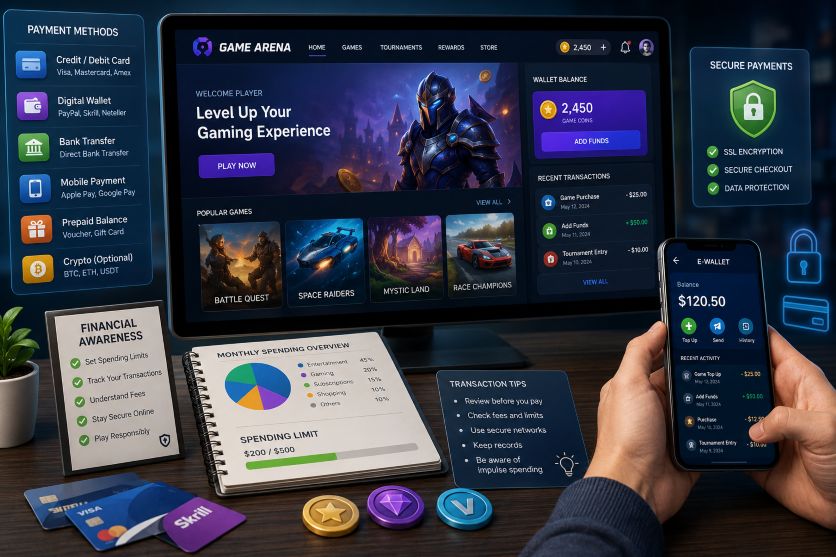
Step 1: Understand How Digital Payment Ecosystems Work
Digital payment ecosystems refer to the network of technologies and financial tools that allow users to transfer value electronically. Online gaming environments frequently combine multiple systems into one experience.
These may include:
- Credit and debit card payments
- Digital wallets
- Bank transfers
- Prepaid balances
- Mobile payment systems
- Virtual currencies used within platforms
The World Bank has highlighted the growing role of digital financial systems in supporting accessibility and broader consumer participation. As these payment methods become more integrated into everyday life, gaming platforms increasingly mirror payment behaviors found in retail shopping, subscriptions, and other digital services.
Users often move through several payment layers without noticing the underlying process. A purchase may start with a mobile wallet, pass through a payment processor, and then convert into digital credits or platform balances.
Step 2: Consider Transaction Factors Before Making Payments
Payment decisions inside gaming environments involve more than convenience. Small transaction details can influence spending habits over time.
Review processing times
Some payment systems process instantly while others may require additional verification. Delays can occur because of banking systems, location differences, or security checks.
Check fees and conversion costs
Consumer Financial Protection Bureau (CFPB) notes that transaction fees and currency conversion charges may affect the total cost of digital payments. Small charges can become difficult to notice when transactions happen frequently.
Users sometimes focus only on the displayed amount while overlooking additional costs attached to the payment process.
Understand stored payment information
Many online environments save payment details for convenience. While this can simplify future transactions, users should understand how stored information works and review privacy settings where possible.
Step 3: Recognize Behavioral Patterns Around Digital Spending
Digital environments can influence how people perceive money. Physical cash creates visible spending actions, while digital payments often feel less tangible.
Research published by the Journal of Behavioral and Experimental Economics has discussed how payment methods may shape spending perception and consumer behavior. Digital transactions can sometimes reduce the psychological effect associated with physically handing over money.
In gaming environments, this effect may become stronger when payments transform into virtual points, tokens, or digital balances. People may focus more on activity participation than on the underlying cost itself.
A related payment gateway process can reinforce this behavior because users may complete transactions through stored payment systems with very few steps involved.
This does not automatically create harmful outcomes. However, understanding how spending behavior changes in digital environments can help individuals make informed choices.
Step 4: Identify Potential Risks and Warning Signs
Risk awareness remains an important part of digital financial behavior. Several common concerns appear across online gaming environments.
Unclear transaction records
Frequent small payments can become difficult to track. Users may underestimate total spending if they do not regularly review statements.
Security concerns
The Federal Trade Commission (FTC) regularly advises consumers to use strong passwords, enable security verification features, and remain cautious around suspicious payment requests.
Fraud attempts may involve fake payment pages, phishing messages, or unofficial transaction requests designed to collect personal information.
Emotional spending behavior
People sometimes make purchases during periods of excitement, frustration, or impulse decision-making. Fast transaction systems can reduce the pause between intention and action.
Awareness does not eliminate these behaviors entirely, but recognizing them can encourage more thoughtful financial choices.
Step 5: Build Financial Literacy Through Digital Payment Awareness
Financial literacy involves understanding how money moves and how decisions affect longer-term outcomes. Online gaming environments can become useful examples because they demonstrate many payment principles that exist across broader digital economies.
Useful habits include:
- Reviewing transaction histories regularly
- Setting personal spending limits
- Understanding payment terms
- Monitoring recurring charges
- Learning how digital security tools work
OECD research on financial literacy suggests that informed consumers generally make more effective financial decisions because they understand the consequences of their spending patterns and financial choices.
These habits apply beyond gaming environments. The same awareness can support better decision-making across subscriptions, online shopping platforms, mobile applications, and digital entertainment services.
Responsible Gambling and Digital Spending Awareness
Some gaming environments may include gambling-related activities or payment systems connected to wagering functions. Gambling carries financial risk and should be approached responsibly. Spending should remain within personal limits and never interfere with essential financial responsibilities.
People experiencing concerns around gambling-related behavior should consider seeking support from professional organizations or local responsible gambling resources.
READ ALSO: Responsible Gambling and Financial Management on Indonesian Lottery Sites
Conclusion
Digital payment systems continue changing how people interact with online platforms. Gaming environments provide a useful lens for understanding these changes because they combine convenience, speed, and multiple forms of digital transactions in one place.
As online systems evolve, understanding digital payment behavior becomes less about technology alone and more about financial awareness. A broader understanding of online transaction systems and related payment platform processes can help users recognize patterns, evaluate risks, and make more informed decisions across digital spaces.